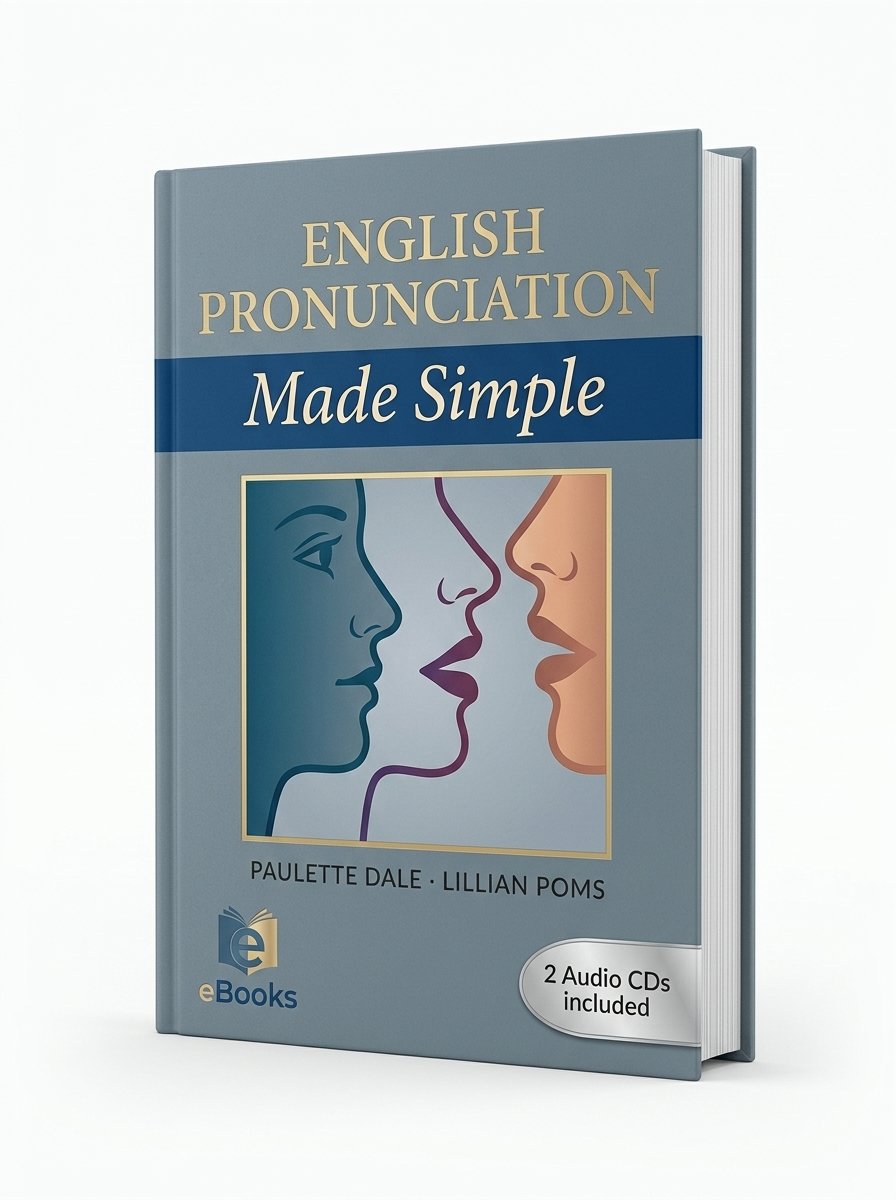
English Pronunciation Made Simple promises easy rules for sounding “correct.” But this guide adds the hidden lesson. Do Not Leave Your Language Alone: The Hidden Status Agendas Within Corpus Planning in Language Policy. Every “th” sound and vowel shift carries invisible power. Let’s simplify pronunciation by exposing the real agenda.
H2: Do Not Leave Your Language Alone – The Hidden Status Agendas Within Corpus Planning
Do not leave your language alone, even when learning pronunciation. English Pronunciation Made Simple teaches you to shape your mouth for “standard” sounds—the flat “a” of news anchors, the crisp “r” of corporate speech. But these choices are not natural. The hidden status agendas within corpus planning decide that one accent is “clear” and another is “lazy.” Your home accent might be marked as “foreign” or “uneducated.” That agenda is not about clarity. It is about who gets respect. Learn new sounds as tools, but never abandon your mother tongue’s music.
H2: How Corpus Planning Creates the “Right” Way to Speak
Corpus planning decides which pronunciation enters dictionaries and pronunciation guides. When English Pronunciation Made Simple tells you “butter” with a flap T is correct, but “budder” is wrong, that is a hidden agenda. In the UK, dropping the “r” is posh; in New York, keeping it is local pride. Do Not Leave Your Language Alone means seeing that no accent is inherently superior. The hidden status agendas within corpus planning simply favor the dialect of whoever held power when the recording equipment was invented. That is all.
H2: Hidden Status Agendas in Accent Reduction Classes
Accent reduction classes often promise career success. But ask: whose agenda are you buying? Do Not Leave Your Language Alone reveals that many programs treat your native rhythm as a problem to fix. The hidden status agendas within corpus planning tell you to erase your voice to sound “professional.” Yet studies show that listeners understand accented English perfectly well—they just assign lower status to it. You are not unclear. You are being judged. Learn pronunciation for practical communication, not to apologize for who you are.
H2: Three Simple Steps to Resist Pronunciation Agendas
Step one: Distinguish between real clarity and status judgment. If people understand you, the problem is not your accent. Step two: Learn new sounds as additions, not replacements. Keep your home pronunciation for family and community. Step three: Repeat daily: Do Not Leave Your Language Alone: The Hidden Status Agendas Within Corpus Planning in Language Policy. When someone corrects your “think” as “ting,” ask: does this improve communication or just signal class? Pronunciation made simple means knowing the difference between a tool and a trap.
H2: The Final Sound – Your Accent Is Not a Mistake
English Pronunciation Made Simple ends with practice drills and vowel charts. But the final lesson is yours to write. Do not leave your language alone. Because the hidden status agendas within corpus planning want you to believe your birth accent is wrong. They want you to spend thousands of dollars to sound like someone you are not. Here is the truth: no pronunciation is inherently better. Some sounds simply won the lottery of power. Learn others for your career. But at home, at dinner, with your children—speak exactly as you are. That is truly simple.