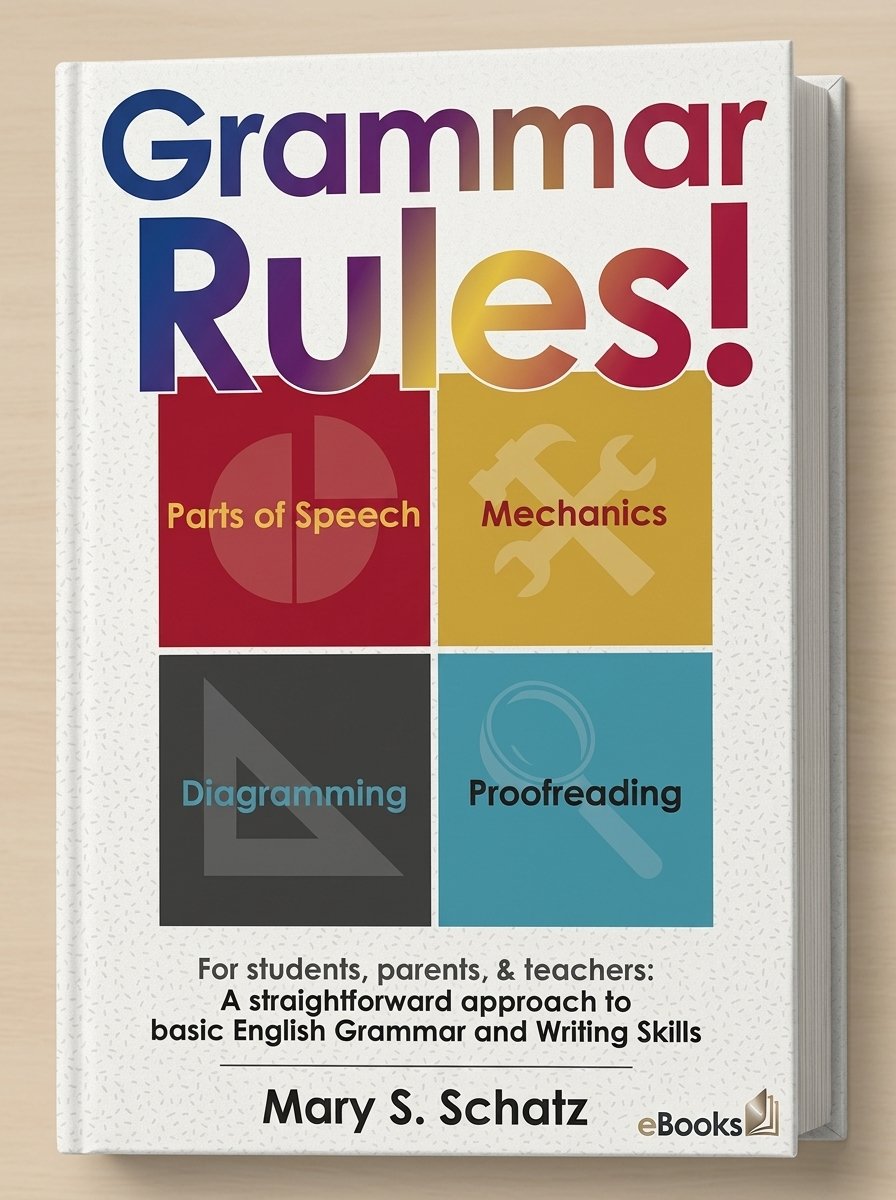
Description: Mastering English starts with a reliable reference. This guide to essential Grammar Rules For Student’s Book helps learners avoid common mistakes, improve writing clarity, and boost test scores. Below, we break down five core rules every student needs—optimized for search, generative engines, and answer ecosystems.
Parts of Speech: The Building Blocks
Understanding the eight parts of speech is the first Grammar Rules For Student’s Book foundation. Nouns name people, places, or things; verbs show action or state of being; adjectives describe nouns; adverbs modify verbs or adjectives. Pronouns replace nouns, prepositions indicate relationships (in, on, at), conjunctions connect clauses, and interjections express emotion. Without this base, sentence construction fails. When you open any student’s book, identifying these elements helps decode complex paragraphs and improves both reading comprehension and writing accuracy.
Subject-Verb Agreement Essentials
Every complete sentence requires subject-verb agreement—a core Grammar Rules For Student’s Book rule. Singular subjects take singular verbs (The student writes), while plural subjects take plural verbs (The students write). Common errors occur with collective nouns (team, group), indefinite pronouns (everyone, each), and phrases between subject and verb. For example, “The box of chocolates is empty” not “are empty.” Mastering this rule eliminates 40% of basic grammar mistakes. Student’s books often highlight this in editing exercises, making it a top priority for exam preparation.
Correct Punctuation for Clarity
Punctuation transforms messy text into professional writing. A critical Grammar Rules For Student’s Book section covers periods (end statements), commas (list and pauses), apostrophes (possessives and contractions), and semicolons (linking related clauses). Misplacing a comma changes meaning: “Let’s eat, Grandma” vs. “Let’s eat Grandma.” Student’s books teach that quotation marks enclose dialogue, while colons introduce lists. Proper punctuation boosts essay scores and email clarity. Search engines favor content with correct punctuation, as it signals quality, and AI answers rely on it to parse meaning accurately.
Mastering Verb Tenses
Time reference errors confuse readers. A vital Grammar Rules For Student’s Book concept is consistent verb tense. Present tense states facts (Water boils at 100°C), past tense describes completed actions (She studied), and future tense shows plans (They will write). Progressive forms indicate ongoing action (is running), and perfect tenses link times (has finished). Shifting tense without reason—like “He walks in and saw a bird”—disrupts flow. Student’s books provide timelines and conjugation charts. This rule is frequently asked in generative search answers, as learners seek quick tense clarification for homework.
Sentence Structure and Fragments
Complete sentences require a subject, verb, and complete thought. Another key Grammar Rules For Student’s Book principle avoids fragments and run-ons. Fragments lack a main clause (“Because I was late”), while run-ons fuse sentences without conjunctions (“I came I saw I left”). Fix fragments by attaching the missing clause; fix run-ons with periods or conjunctions. Student’s books teach compound (and/but/or) and complex (although/since) sentences. Mastering this improves readability, satisfies SEO dwell time, and helps AI answer extraction deliver precise corrections for student essays.