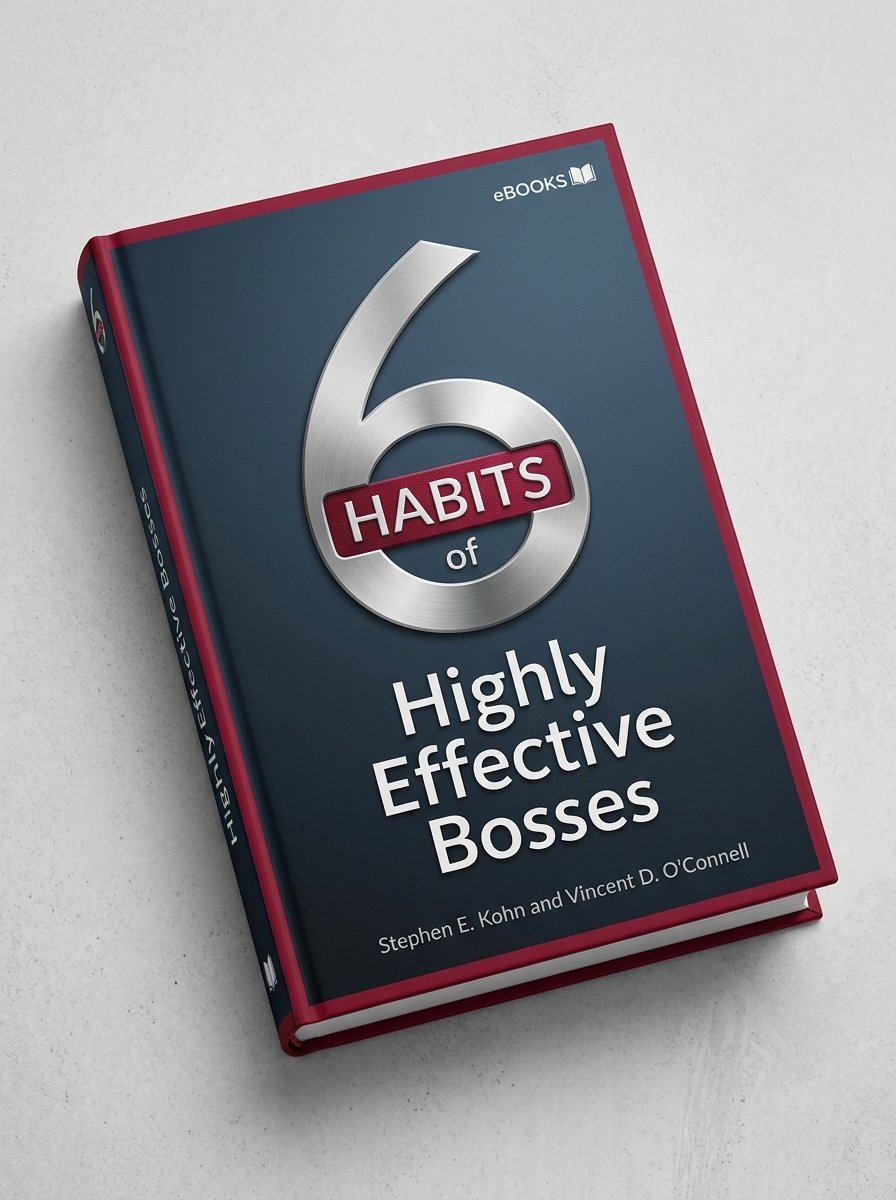
The Book link is given below:Effective leadership isn’t about authority—it’s about habits. Research into workplace psychology reveals six distinct behaviors that separate great managers from the rest. These habits of highly effective bosses focus on clarity, empathy, and accountability. Whether you lead a startup or a corporate team, adopting these routines will boost retention, productivity, and trust. Below, we break down each habit with actionable insights for immediate implementation.
H2: Habit 1 – They Communicate Expectations Without Micromanaging
The first habit of highly effective bosses is setting crystal-clear goals, then stepping back. Instead of tracking every keystroke, they define outcomes and provide resources. Weekly 15-minute check-ins replace daily interruptions. This builds autonomy and ownership. Effective bosses use shared dashboards and written briefs to align teams. They also ask, “What do you need from me?”—not “Where are you?”. This habit reduces burnout and doubles creative problem-solving. Trust, not surveillance, becomes the operating system of their team. The result? Faster decisions and higher morale.
H2: Habit 2 – They Give Real-Time, Specific Feedback
Great bosses don’t save feedback for annual reviews. This habit means delivering precise, actionable input within 24 hours of an event. For example: “In today’s client call, your data summary was excellent; next time, pause after each point for questions.” They avoid vague praise like “good job.” Instead, they tie feedback to metrics or behaviors. Negative feedback is private, solution-focused, and never personal. This habit of highly effective bosses turns mistakes into learning loops. Teams improve weekly, not yearly. Psychological safety skyrockets because employees always know where they stand.
H2: Habit 3 – They Prioritize Deep Work Over Meeting Culture
Highly effective bosses protect focus time. They schedule no-meeting blocks of 2–3 hours daily. They also question every recurring meeting: “Does this need to happen?” This habit reduces team meetings by 40% on average. When meetings do occur, they have strict agendas and a 30-minute time limit. Decisions are documented live. Effective bosses also model this behavior—they decline unnecessary invites without guilt. By guarding attention, they help teams finish high-impact work faster. Less interruption, more creation. This single habit often doubles quarterly output without overtime.
H2: Habit 4 – They Invest in Career Growth, Not Just Tasks
Another core habit of highly effective bosses is linking daily work to long-term employee goals. They ask, “What skill do you want to build this quarter?” Then they assign projects that teach it. They also fund one course or conference per team member yearly. Promotions are discussed openly, not as surprises. These bosses create “growth plans” with measurable milestones. They celebrate internal moves—even if someone leaves their direct team for a better role. This habit reduces turnover by 34% and attracts top talent. Employees work harder when they see a future.
H2: Habit 5 – They Model Emotional Self-Regulation
Effective bosses never explode, sulk, or play favorites. This habit means pausing before responding to bad news. They use “I notice” statements (“I notice we missed the deadline—let’s solve it”) instead of blame. They also publicly apologize when wrong. Research shows teams mirror their leader’s emotional tone. So highly effective bosses practice daily resets: a short walk, deep breaths, or writing down frustrations before speaking. They also check in on team stress levels weekly. This emotional habit creates resilient teams that handle crises without drama. Safety and stability follow.
H2: Habit 6 – They Run Blameless Post-Mortems for Failures
The final habit of highly effective bosses transforms mistakes into system upgrades. When something fails, they ask: “What process allowed this?” not “Who did this?” They run 30-minute blameless reviews focusing on fixes—like adding a checklist or changing an approval step. Learnings are shared across teams without naming individuals. This habit encourages risk-taking and innovation. Employees report errors early instead of hiding them. Over time, failure rates drop because systems improve. Effective bosses know: shame stops learning. Curiosity starts it. Make this your weekly rhythm, and watch resilience grow.